Fashion’s sustainability
problems
are no secret. Behind every runway show and seasonal drop lies a system
responsible for up to 10 percent of global carbon
emissions,
endless water
waste,
and mountains of discarded
textiles
that clog landfills. But if the latest market data is any sign, the appetite for
change is growing: The global sustainable fashion market reached $8.06 billion
in 2024 – up from $7.5 billion the previous year. While that’s a sliver of the
$1.5 trillion global fashion industry, it’s a sign that change is more than
just a seasonal trend.
Adding to that, regulators are tightening the screws, consumers are demanding
transparency,
and investors are shifting capital toward circular
models
and regenerative
materials.
The challenge? Turning good intentions into viable, scalable solutions.
In this Innovation
Watch, we
spotlight five technologies and tools that are helping fashion brands to not
just do less harm, but to build better systems that can outlast the trend cycle.
Trainers grown from microbes, not materials
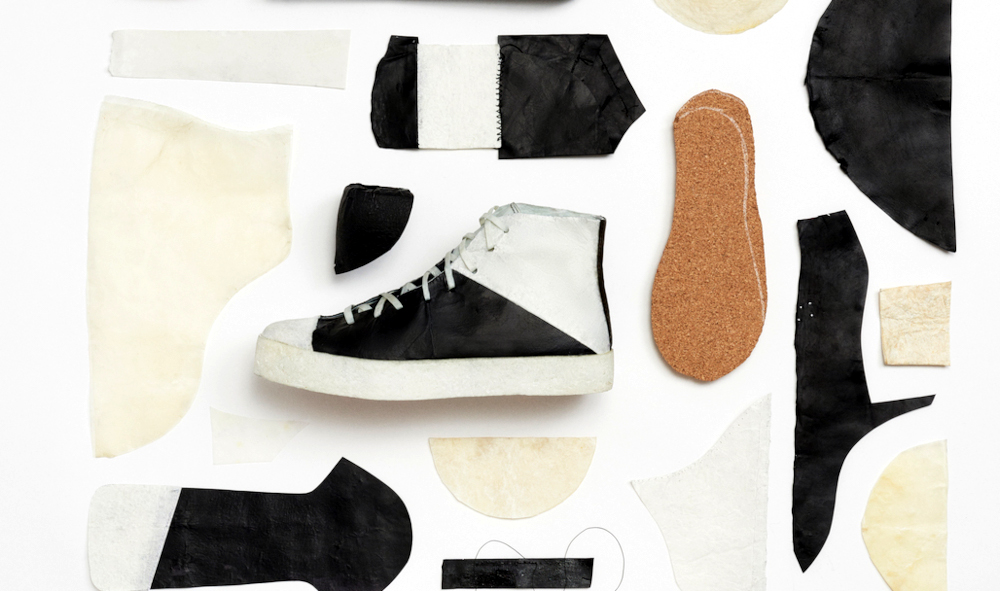 Image credit: Jon Brown, courtesy of One x
One
Image credit: Jon Brown, courtesy of One x
One
In a collaboration between fashion and science, New York-based brand Public
School (PSNY) and Fashion Institute of
Technology professor Dr. Theanne
Schiros have developed a trainer made
almost entirely from biologically grown materials. The shoe’s upper, midsole and
laces are crafted from a microbial
bio-leather
grown by researchers at Columbia University using a
process more commonly associated with kombucha. Unlike many vegan
leathers
that rely on synthetic binders or plastic additives, this alternative is created
entirely from microbial cellulose, plant dyes and natural cork.
How it works
The process begins with a SCOBY – a symbiotic culture of bacteria and yeast
– typically used in fermenting kombucha. Schiros sources SCOBY waste from a
local brewery, then feeds it sugars to stimulate the production of bacterial
nanocellulose. This nanocellulose has superior elasticity and tensile strength
compared to plant-derived
cellulose, making it durable
enough for use in footwear. Once fermented, the material is dried directly in a
trainer-shaped mold – eliminating the need for cutting patterns and avoiding
associated material waste. The bio-leather is then dyed using plant-based
pigments, including indigo fixed with soy milk and natural colors derived from
acacia bark and myrobalan seeds. The outsole is made from cork, and the entire
shoe is designed to be compostable at the end of its life – returning nutrients
to the soil rather than clogging landfills.
Why climate-conscious brands should care
As pressure mounts to move beyond animal-derived and fossil-based
materials,
microbial textiles offer a truly regenerative alternative. This project shows
how lab-grown materials can be both low-impact and high-performance; and how
small-scale, experimental collaborations can spark broader shifts in how fashion
thinks about production. By using waste from the food industry, eliminating
offcuts through molding and designing for end-of-life compostability, the PSNY
trainers embody multiple principles of circular design. While still in the
prototype phase, this work points toward a future where garments and accessories
can be grown to shape, customized at source and returned safely to the earth –
with no plastic in sight.
A climate-positive, biodegradable yarn made to replace polyester
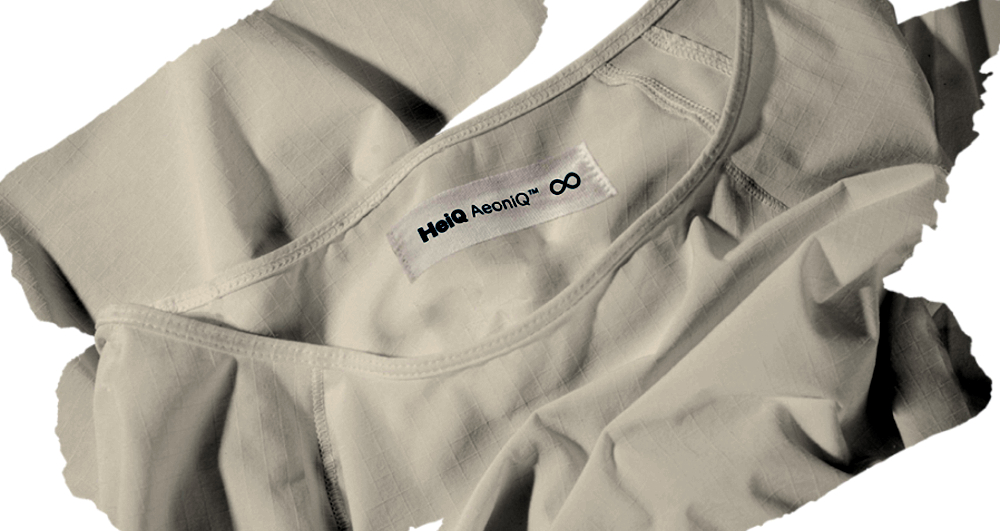 Image credit: Heiq
AeoniQ is a new type of biodegradable yarn made
from cellulosic raw materials, designed to replace fossil-fuel-based fibers
such as polyester and nylon. Created by Swiss textile-innovation firm
HeiQ, it is positioned as a climate-positive
alternative that aims to replicate the performance of synthetic yarns. Unlike
traditional synthetics, AeoniQ is made without plastic and has been assessed
through independent life cycle analysis to show a net reduction in carbon
emissions.
How it works
The yarn is produced using a closed-loop process that recycles nearly all the
water involved and avoids the use of harmful solvents. Because it is derived
from photosynthetic sources such as wood pulp and agricultural waste, the
material stores carbon during its production – resulting in a claimed
net-negative carbon footprint. Once used, the yarn is designed to biodegrade in
a range of environments – including soil, industrial composting and even marine
conditions – typically within three months. Technically, it can be dyed and
processed in the same ways as synthetic yarns and integrated into existing
textile-manufacturing systems – which could help ease adoption at scale.
Why climate-conscious brands should care
The potential appeal of AeoniQ lies in its combination of environmental benefits
and practicality. For fashion brands under increasing pressure to reduce Scope
3
emissions,
fossil-fuel-based fabrics and microplastic
pollution,
the yarn offers a pathway toward lower-impact textiles without requiring a
complete overhaul of manufacturing infrastructure. While a production facility
is currently under development in Portugal), early commercial partnerships
with brands including Hugo
Boss
indicate that the yarn’s proximity to market.
Robots make clothes, help reduce waste
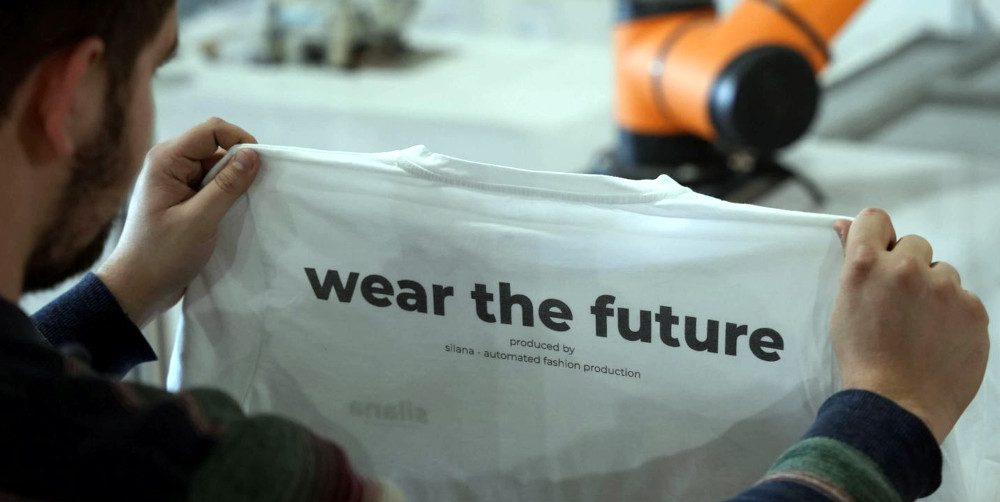 Image credit: Silana
Most garments today are still sewn by hand – a labor-intensive process that has
changed little in decades. In an industry where speed and cost pressures
dominate, this has led to widespread outsourcing to low-wage regions – often at
the expense of both worker
wellbeing and
environmental performance. Austrian startup
Silana is aiming to disrupt that model with a fully
automated robotic system for clothing production. Its core product, the
SiBot, is designed to sew entire garments without human intervention –
offering a faster, localized, less wasteful alternative to conventional
manufacturing.
How it works
The SiBot system breaks the sewing process into a series of discrete tasks, each
carried out by a specific robotic subsystem. This modular setup allows for
end-to-end automation of garment production. By removing the need for manual
labor, the system makes it financially viable to manufacture clothing closer to
the point of sale without raising the retail price – a shift that could
significantly reduce both emissions and waste. With manufacturing moved closer
to demand centers, lead times can be drastically reduced – allowing brands to
respond to trends in real time and avoid the overproduction that leads to
surplus stock, markdowns and landfill waste. According to Silana, this could
help cut emissions by up to 40 percent per garment. Robotic precision also helps
reduce quality defects, which currently account for a large share of discarded
stock.
Why climate-conscious brands should care
While automation in fashion is not new, full robotic sewing has long been seen
as too complex due to the flexible nature of fabric. Silana’s system represents
a step change that meets growing calls for
nearshoring,
transparency and waste reduction. For brands looking to shrink their carbon
footprint, eliminate excess inventory and improve working conditions across the
value chain, robotic manufacturing could offer a viable long-term solution. With
pre-orders already in the pipeline and first deliveries expected this year, this
is a technology to watch closely as it matures beyond T-shirts and into more
complex garments.
Lab-grown leather without livestock or plastics
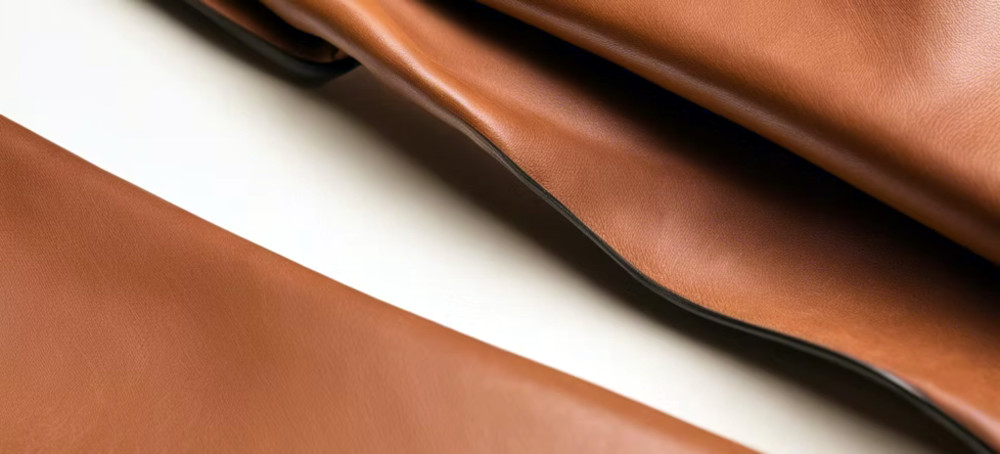 Image credit: 3DBT
Despite the rise of
plant-based
and synthetic alternatives, leather remains prized in the luxury fashion
industry for its durability and texture. But bovine leather carries a heavy
environmental cost, from
deforestation
and methane emissions to water pollution caused by tanning processes.
UK-based startup 3D Bio-Tissues (3DBT)
offers lab-grown leather created from engineered animal cells – without
slaughter, plastics or plant-based fillers. The company’s process begins with a
small, non-invasive collection of cells from a living horse and ends with a
skin-like material that mimics the look and feel of traditional leather.
How it works
3DBT uses tissue engineering to grow a full hide structure in the lab over a
period of about six weeks. Unlike other lab-grown materials that rely on plastic
backings or cellulose matrices, this product is made entirely from cells with no
supporting scaffold required. What sets 3DBT further apart is its development of
a proprietary, animal-free growth medium called
City-mix. This is a significant
departure from most cultured meat or leather technologies, which often rely on
fetal bovine serum – an expensive and ethically controversial byproduct of
animal agriculture. The final material can be processed through both
conventional tanning methods and newer, more sustainable tanning techniques that
are gaining traction in the industry.
Why climate-conscious brands should care
Leather alternatives are proliferating, but many rely on synthetic components or
struggle to match the performance and longevity of the real thing. 3DBT’s
lab-grown leather offers a route to maintain the aesthetic and functional appeal
of traditional leather while eliminating animal slaughter and significantly
reducing environmental impacts: Cutting livestock out of the equation tackles
one of fashion’s biggest sources of emissions and land use. It also opens up
opportunities for luxury brands to explore more transparent, cruelty-free supply
chains without compromising on quality.
Shoe soles made from captured carbon
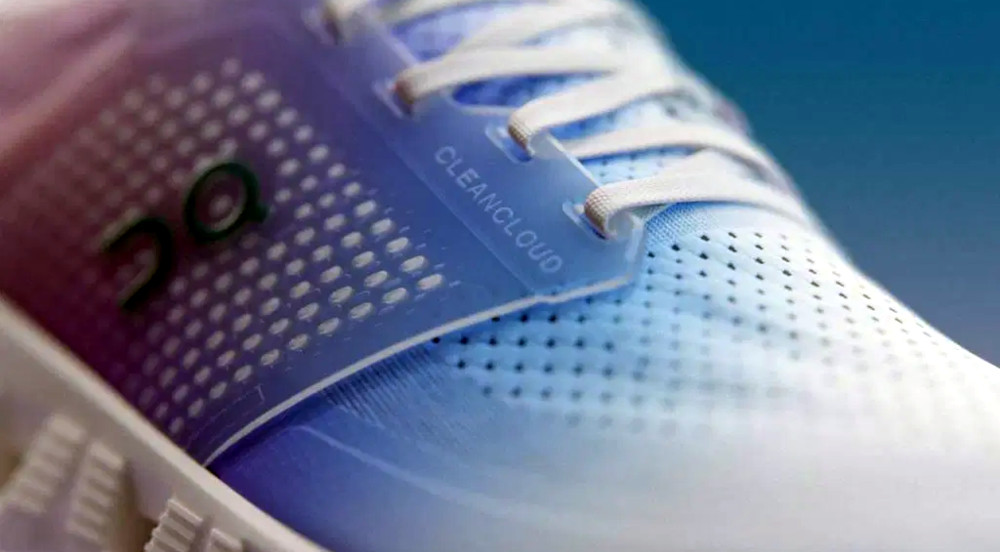 Image credit:
On
Image credit:
On
Swiss performance footwear brand On has developed
what it believes to be the first-ever shoe sole made from carbon
emissions.
CleanCloud
replaces traditional petroleum-derived ethylene vinyl acetate (EVA) – a key
material in performance shoes, used for cushioning and support – with a version
made from captured industrial carbon. By sourcing EVA from recycled
greenhouse gases rather than fossil fuels, On is taking a major step toward
building a more circular and climate-conscious product – and setting a precedent
for other high-volume consumer materials.
How it works
The process starts with capturing carbon monoxide captured from industrial
emissions. Partnering with LanzaTech, On uses a
fermentation process similar to brewing beer: microbes feed on the captured gas,
converting it into liquid ethanol. That ethanol is then dehydrated into
ethylene, which Borealis – another of On’s key
collaborators – polymerizes into EVA. The resulting foam is functionally similar
to traditional EVA in weight and performance, but its carbon source is entirely
different. Rather than extracting new carbon from oil, CleanCloud locks in
carbon that’s already part of the problem. On has been developing the technology
for four years and is now rolling it out across several product lines, with the
long-term aim of replacing all EVA in its Cloud and Roger
collections.
Why climate-conscious brands should care
CleanCloud marks a significant milestone for viability and scalability of
circular materials. And the collaborative model – involving biochemistry
specialists such as LanzaTech and plastics producers such as Borealis – shows
how complex systems can work together to turn waste into value. For brands
looking to reduce their reliance on fossil fuels without compromising on
material performance, captured carbon could emerge as a powerful, scalable
feedstock. CleanCloud may only be one step in a long transition – but it points
toward a future where products are designed not just to do less harm, but to
actively clean up the mess.
Get the latest insights, trends, and innovations to help position yourself at the forefront of sustainable business leadership—delivered straight to your inbox.
Tom is founder of storytelling strategy firm Narrative Matters — which helps organizations develop content that truly engages audiences around issues of global social, environmental and economic importance. He also provides strategic editorial insight and support to help organisations – from large corporates, to NGOs – build content strategies that focus on editorial that is accessible, shareable, intelligent and conversation-driving.
Published Sep 8, 2025 6am EDT / 3am PDT / 11am BST / 12pm CEST