Concrete and cement remain foundational to global infrastructure, but their
environmental toll is undeniable. Accounting for roughly 8% of global carbon
emissions,
cement’s footprint is larger than that of aviation or shipping. Yet recent
developments suggest we may be on the cusp of a breakthrough in sustainable
construction: Around the world, more than 60
companies
are now developing low-carbon concrete
solutions
and emerging research is yielding breakthroughs — driven by regulation,
procurement initiatives and growing market demand.
In this Innovation
Watch, we dive
into five of the most compelling ‘green’ concrete technologies — illustrating
that the future of construction can be not just low-carbon but smart, circular
and resilient.
3D-printed basalt reinforcement
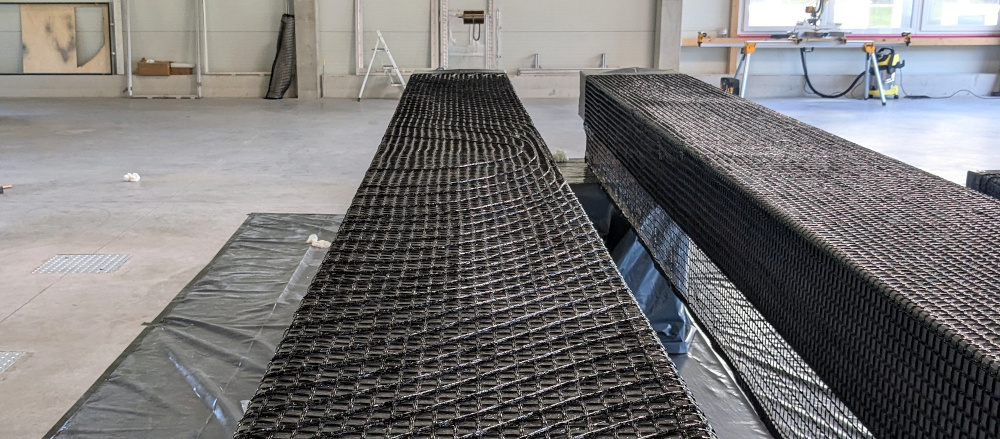 Image credit: Fiber Elements
Steel-reinforced concrete is one of the most widely used construction
materials on the planet, and also one of the most carbon-intensive. Steel
contributes significantly to the embodied
carbon
of buildings and infrastructure while also adding weight, increasing corrosion
risk and inflating costs. Austrian startup Fiber
Elements is looking to shift that paradigm with a
lighter, stronger, more sustainable alternative: 3D-printed basalt fiber
grids that can fully replace steel reinforcement in concrete structures.
How it works
The company’s system uses mineral-based basalt fibers — derived from volcanic
rock — to create structural grids that outperform steel in strength and
durability, while weighing around two-thirds less. These grids are formed using
automated, precision-manufacturing methods that Fiber Elements has developed in
collaboration with leading Austrian research institutions. The result is not
just a drop-in replacement for steel, but a redesigned approach to reinforcement
— optimized through advanced structural analysis. The material doesn’t corrode,
performs well in extreme environments, and can be fully recycled at end of life.
According to the company, switching from steel to basalt reinforcement can
reduce emissions by up to 70%.
What makes the technology particularly scalable is its modular, decentralized
model. Fiber Elements plans to roll out compact nano-factories that can be
placed directly on construction sites, producing reinforcement components where
they’re needed and slashing the emissions and costs tied to transport. This
makes it well-suited for large infrastructure projects, tunnels, bridges and
modular buildings that benefit from just-in-time prefabrication.
Why climate-conscious builders should care
Basalt reinforcement addresses several pain points in the construction sector:
embodied carbon, logistics, labor intensity and material degradation. At a time
when regulations are tightening around the environmental performance of
buildings and infrastructure, Fiber Elements’ approach offers a credible,
high-performance alternative to a deeply entrenched material. With €2.6
million in new funding and early
deployments already underway, the company is gearing up to scale and could play
a key role in mainstreaming low-carbon construction solutions.
Waste-based concrete could extend the life of sewer systems
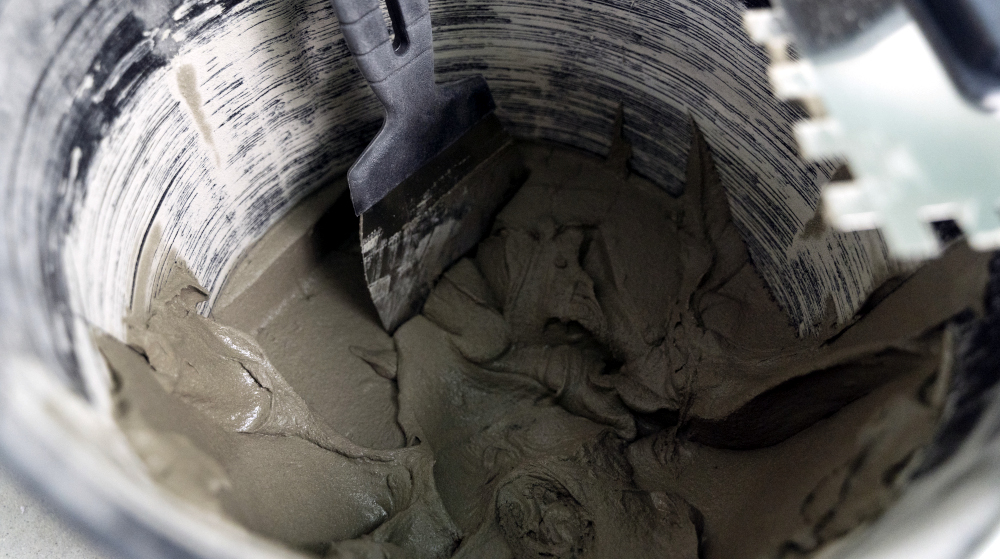 Image credit:
Freepik
Image credit:
Freepik
Maintaining underground infrastructure is one of the most overlooked, and
costly, challenges in modern construction. Researchers at the University of
South Australia (UniSA) have developed a new type of
concrete
designed to tackle this problem — using industrial waste materials to create a
stronger, more durable alternative. By reusing alum-based water treatment sludge
— typically a landfill-bound byproduct — the team has developed a material that
performs significantly better than conventional cement in key stress and
corrosion metrics.
How it works
The innovation combines two main ingredients: blast-furnace slag — a common
cement substitute — and sludge from water treatment plants. The resulting
alkali-activated material (AAM) forms a concrete mix that boasts more
than 50% higher compressive strength than standard cement-based alternatives.
More importantly, it shows improved resistance to both acid exposure and
microbial attack — two of the biggest threats to sewer infrastructure.
Sulfur-oxidizing bacteria, which are known to degrade concrete from within, are
less effective against this waste-based mix — potentially extending the service
life of pipes and reducing the frequency of costly repairs.
Because the sludge used is a waste product, the solution supports circular
construction practices by diverting material from landfill and reducing the need
for virgin cement. It also cuts emissions associated with both transport and
material production. The project, led by Professor Yan
Zhuge and developed in
collaboration with SA Water Corporation, is part
of a broader push to explore how AAMs could improve the sustainability and
performance of critical infrastructure.
Why climate-conscious engineers should care
This innovation offers a double win: It repurposes waste and delivers stronger,
longer-lasting infrastructure with a lower environmental footprint. For cities
and utilities facing growing pressure to upgrade aging sewer systems without
increasing emissions, UniSA’s research offers a practical, scalable solution. As
the material continues to be tested and refined, it could revolutionize how we
build and maintain essential infrastructure below ground.
AI enables smarter concrete use
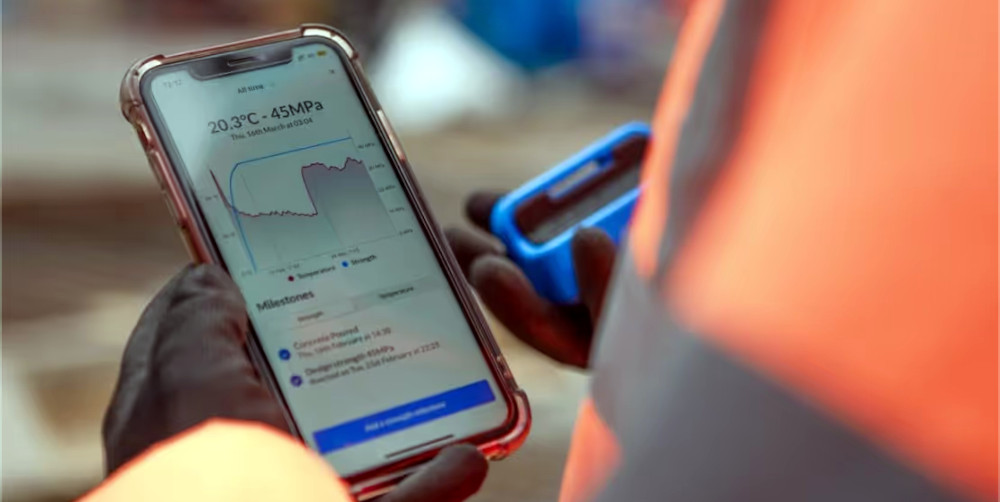 Image credit:
Converge
Image credit:
Converge
While much attention has been given to developing lower-carbon concrete
alternatives, less has been done to address how concrete is used in practice.
UK-based startup Converge is targeting that gap
with a data-driven platform designed to improve how concrete is mixed, poured
and managed on site — reducing both waste and emissions without altering the
material itself.
How it works
At the core of Converge’s platform is
ConcreteDNA — a
system that uses embedded sensors to track key data points including
temperature, humidity and strength development during concrete pours. These
real-time insights are then fed into predictive AI models that simulate how the
concrete will behave as it cures. The platform gives engineers a clearer picture
of material performance — allowing them to adjust mix compositions, curing
schedules and logistics to reduce delays, avoid over-engineering and cut
emissions.
The system effectively replaces guesswork with data, making it possible to
optimize concrete use without compromising safety or performance. By eliminating
unnecessary overuse of cement (a common practice driven by caution) ConcreteDNA
helps reduce embodied carbon across a project. And because it operates within
existing construction workflows, it offers immediate benefits without requiring
new materials, equipment or training.
Why climate-conscious builders should care
As the construction industry looks for practical ways to reduce its carbon
footprint, tools that improve how materials are used can be just as impactful as
the materials themselves. Converge’s digital intelligence can make traditional
concrete smarter — enabling lower emissions, faster builds and fewer errors
without disrupting current practices. With €19.4
million
in fresh funding and plans to expand globally, the company is well positioned to
bring these efficiencies to scale. For contractors and developers under pressure
to decarbonize, platforms such as ConcreteDNA could help shift the conversation
from what concrete is to how smarter use can deliver better outcomes across the
board.
Concrete that can heal its own cracks
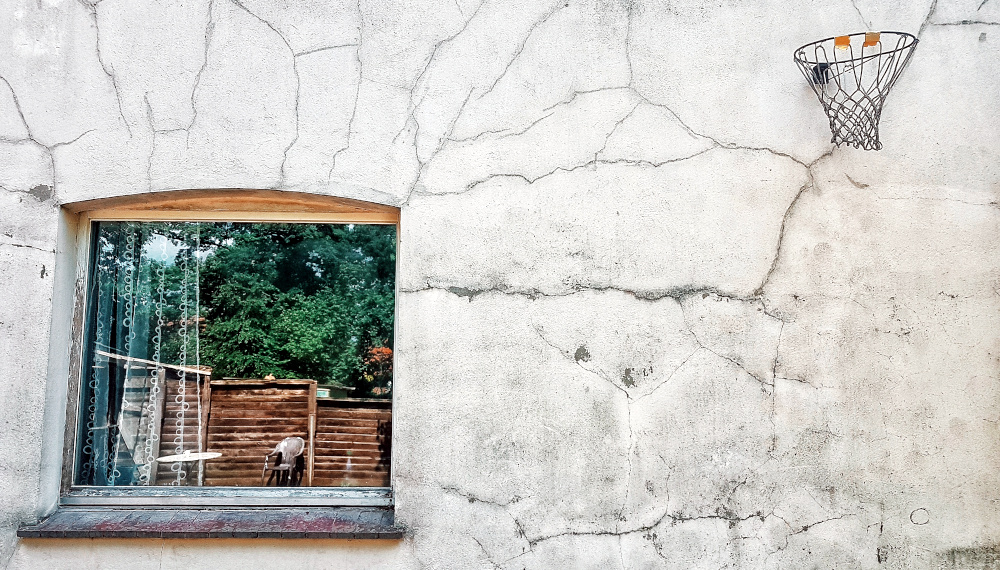 Image credit:
Freepik
Image credit:
Freepik
Concrete may be strong, but it isn’t infallible. Over time, it cracks — from
traffic loads, freeze-thaw cycles, drying shrinkage or structural stress — and
even microscopic cracks can lead to major failures. Water and air can penetrate
the surface, corroding the steel reinforcement inside and weakening buildings,
bridges, and roads.
Now, researchers at Texas A&M University are exploring a nature-inspired
approach
that could help concrete repair itself — with no human intervention required.
Their goal is to develop a biomimetic, self-healing concrete that protects
infrastructure, reduces maintenance emissions and prevents failures that can
cost money and lives.
How it works
The research team, led by Dr. Congrui Grace
Jin, took
inspiration from lichen — the symbiotic organism made of fungi and algae
that survives in some of the harshest conditions on Earth. They developed a
synthetic system that mimics this partnership, pairing cyanobacteria with
filamentous fungi. In this engineered relationship, the cyanobacteria provide
nutrients while the fungi produce minerals that naturally fill in and seal
cracks. Unlike existing self-healing concrete
solutions, which often
rely on microcapsules or bacteria that require a continuous external nutrient
supply, this approach is designed to operate independently. The microbial pair
can survive using only sunlight, air and water — making it potentially viable in
a wide range of real-world environments.
In lab tests, the system was able to produce minerals inside cracked concrete
and begin the healing process under standard environmental conditions. The
researchers are now working to further test the durability and scalability of
the solution, and to understand how public perception might influence the
adoption of living systems in construction materials.
Why climate-conscious engineers should care
Self-healing concrete has long been viewed as a promising frontier for
resilient, low-maintenance infrastructure; but many existing systems fall short
on autonomy or scalability. By drawing from biological systems rather than
synthetic additives, this new approach could pave the way for more durable
infrastructure with fewer emissions from repairs and replacements. As cities and
countries grapple with the rising costs of aging buildings and streets,
materials that extend the life of concrete without intensive intervention could
play a key role in building safer, more sustainable infrastructure. If further
research confirms its potential, this lichen-inspired system may offer a rare
win-win: lower maintenance costs and longer-lasting structures with a biological
assist.
Using the ocean to decarbonize concrete
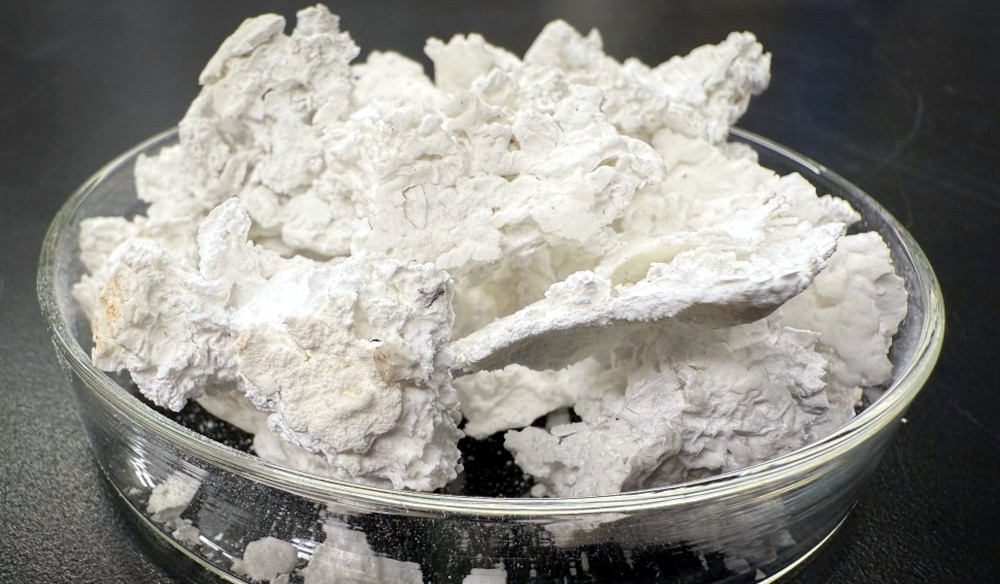 Image credit: Northwestern
University
Image credit: Northwestern
University
While carbon capture and
storage
typically focuses on burying CO₂ underground, researchers at Northwestern
University are exploring a more integrated, materials-based
solution.
Their approach uses seawater, carbon dioxide and clean electricity to produce
minerals that can replace key ingredients in concrete while permanently storing
carbon in the process.
How it works
The process is inspired by marine organisms such as corals and shellfish, which
naturally form mineral structures that trap carbon. Instead of relying on
biology, the Northwestern team uses electrochemistry: Electrodes submerged in
seawater generate hydroxide ions and hydrogen gas by splitting water. When CO₂
is bubbled into this solution, it reacts with calcium and magnesium ions
naturally found in seawater to form solid minerals such as calcium carbonate and
magnesium hydroxide. These minerals are then harvested and used as substitutes
for sand and other materials in concrete, cement, plaster and even paints.
The resulting material can hold more than half its weight in CO₂ without
compromising structural integrity. Its properties — including shape, density and
porosity — can also be tuned depending on the application. The process
additionally produces hydrogen as a clean fuel by-product, adding another layer
of climate value. While the technology is currently operating at lab scale, the
team is working with construction giant Cemex to explore pathways to
industrialization.
Why climate-conscious builders should care
This innovation offers a dual benefit — removing CO₂ from the atmosphere and
embedding it into long-lived construction materials. By using treated seawater
and modular land-based reactors, the system avoids disruption to marine
ecosystems while remaining scalable near industrial sites. The potential to
create a decentralized, plug-and-play solution for carbon capture — one that
turns emissions into building inputs — could be transformative. If successfully
scaled, it would allow the construction industry to shift from being a major
emitter to an active participant in carbon sequestration — using the ocean not
as a dumping ground, but as a resource for building a more climate-resilient
future.
Get the latest insights, trends, and innovations to help position yourself at the forefront of sustainable business leadership—delivered straight to your inbox.
Tom is founder of storytelling strategy firm Narrative Matters — which helps organizations develop content that truly engages audiences around issues of global social, environmental and economic importance. He also provides strategic editorial insight and support to help organisations – from large corporates, to NGOs – build content strategies that focus on editorial that is accessible, shareable, intelligent and conversation-driving.
Published Sep 22, 2025 8am EDT / 5am PDT / 1pm BST / 2pm CEST