For the past week, Geneva has hosted negotiators from nearly every country —
gathered to hammer out what might be a landmark global agreement on
addressing plastic
pollution.
A United Nations Plastics Treaty could do for waste what the Paris
Agreement
attempted to do for carbon — in this case, set legally binding goals that
reshape how we design, produce and manage plastic on a global scale.
But success is far from certain. The negotiations have been stymied by
disagreement around potential approaches: Some nations have pushed for caps on
plastic production, strict chemical phase-outs and mandatory redesign standards.
Others favor softer, voluntary
measures
and a continued emphasis on downstream waste management.
Whatever happens, it’s clear that business as usual is no longer an option: As
The Lancet’s new
analysis
argues, a livable future hinges on smarter design, better systems and fewer
virgin plastics. So, this Innovation
Watch spotlights
five breakthroughs helping to push that transformation forward — and offering
real-world tools for brands banking on a sustainable future for plastics and
packaging.
Microbes are making paracetamol from plastic
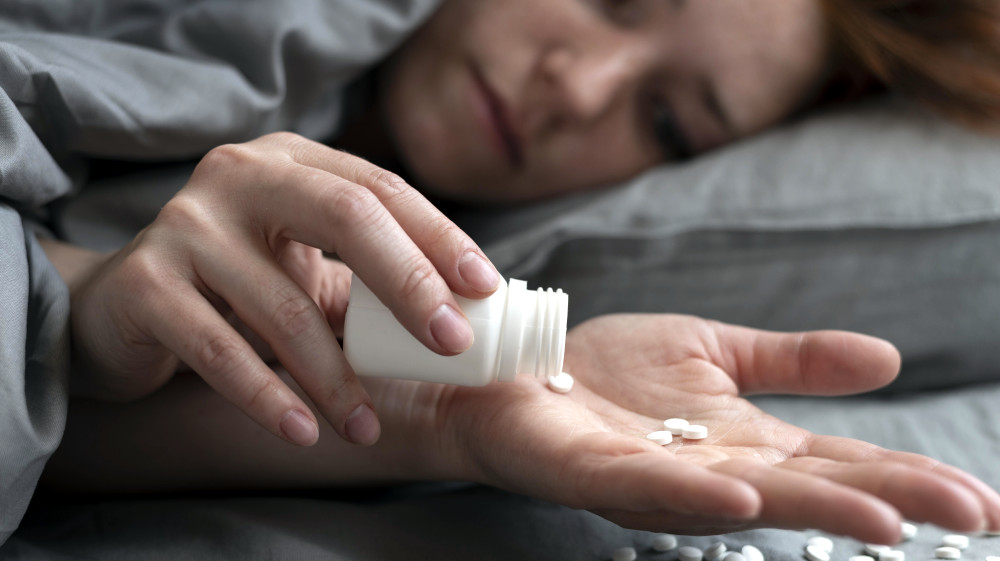 Image credit:
Freepik
Image credit:
Freepik
Scientists at the University of Edinburgh’s Wallace
Lab have developed a way of producing paracetamol
(aka acetaminophen) — one of the world’s most widely used painkillers —
from plastic
waste.
Rather than relying on phenol — a crude-oil derivative traditionally used in
production — the method starts with polyethylene terephthalate (PET),
the plastic found in soda bottles and food packaging.
How it works
Building on a 2023
discovery
which involved using genetically modified bacteria to break down PET waste for
conversion into pharmaceuticals for neurological conditions, the Wallace Lab
team has now discovered that terephthalic acid — a key molecule derived from
PET — can be used as a building block for paracetamol. In a process similar to
beer brewing, the acid is fermented using genetically engineered E. coli. The
bacteria are programmed to convert the plastic-derived acid into a compound
that’s 90 percent paracetamol, all in less than 24 hours. Even more impressive:
The reaction happens at room temperature, without energy-hungry steps of
traditional pharmaceutical manufacturing including distillation or
crystallization.
Why climate-conscious companies should care
This innovation offers a two-for-one win: It repurposes plastic pollution while
cutting emissions from drug manufacturing. With over 275,000 tons of paracetamol
produced globally in 2024 and demand still climbing, the need for a cleaner
production pathway is urgent. By turning plastic from landfills and oceans into
essential medicine, this circular approach redefines waste as a resource. The
low-energy, low-emission process has the potential to slash the pharmaceutical
industry’s carbon footprint, while also fostering a circular economy.
Although further testing and scaling are required, the implications are massive:
It’s a powerful example of how biotech can convert yesterday’s waste into
tomorrow’s solution.
Bacterial cellulose could replace beauty industry’s plastic thickeners
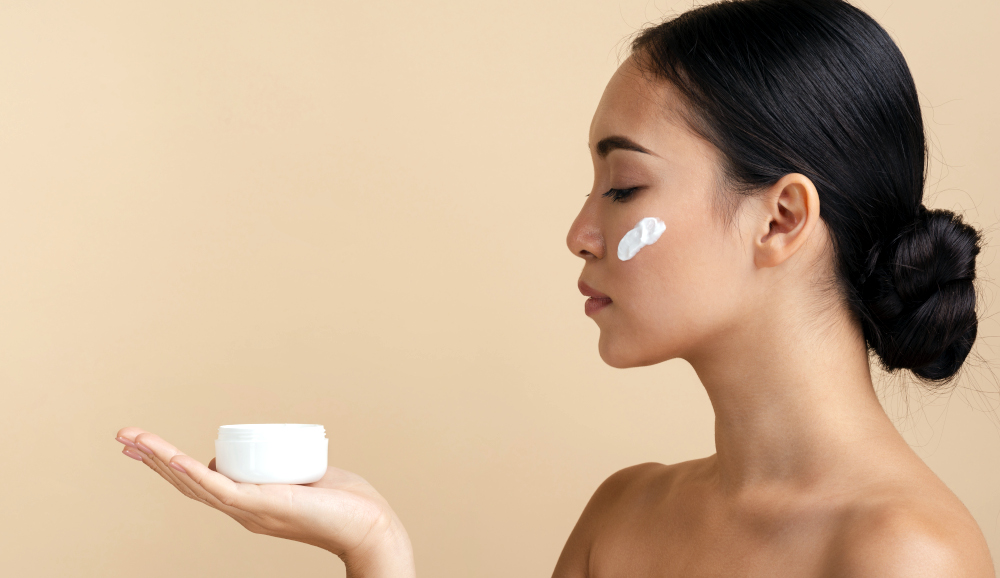 Image credit:
Freepik
Image credit:
Freepik
Danish biotech startup Cellugy has created a
game-changing alternative to fossil-based thickeners commonly found in beauty
products. Its new ingredient, EcoFlexy
Rheo, is a powdered
bacterial cellulose made via fermentation — not petrochemicals. Designed to
replace rheology modifiers (which give creams, gels and serums their texture),
this ingredient takes on one of the most overlooked sources of microplastic
pollution in cosmetics.
How it works
The process begins with a specialized strain of bacteria that feeds on sugar and
produces high-purity crystalline cellulose. This is then dried and milled into a
fine powder that formulators can use just like traditional thickeners. Unlike
plant-derived cellulose, which can be hard to work with — or nanoscale
alternatives that pose formulation challenges — EcoFlexy Rheo offers smooth
integration, strong performance and complete fossil-fuel avoidance. The result
is a bio-based thickener with superior viscosity control, better stability and a
skin-feel that rivals or exceeds petrochemical incumbents.
Why climate-conscious companies should care
With new microplastic bans coming into force across the
EU
and
US,
beauty brands are under mounting pressure to find compliant, sustainable
alternatives that don’t sacrifice performance. EcoFlexy Rheo offers a
plug-and-play solution — one that not only sidesteps harmful plastics but also
delivers functional parity (or better) at scale. Backed by €8.1 million in EU
funding
under the Biocare4Life programme, Cellugy aims to eliminate 1,200 tons of
microplastics from the cosmetics industry by 2034.
For brands seeking to future-proof their products, EcoFlexy Rheo proves that
green chemistry can be high-performing, scalable and consumer-ready. And it may
just reshape standards for sustainable formulation across beauty and beyond.
Milk + plants = plastic-free packaging?
 Image credit: Kevin
Malik
Image credit: Kevin
Malik
Researchers at Penn State have developed a promising
new, biodegradable packaging material made from a surprising
combo:
milk protein and plant compounds. The innovation uses casein — a protein
found in milk — blended with hypromellose, a cellulose derivative sourced
from plants, to create ultra-thin nanofibers. These fibers are spun into
flexible mats that can be used for food packaging and potentially other
applications. The goal? Offer a viable, biodegradable (and even edible)
alternative to plastic cling film and other single-use packaging materials.
How it works
The material is produced using electrospinning — a high-voltage process that
transforms a liquid solution into fibers thinner than a human hair. By combining
casein with hypromellose, the team created a blend strong enough to overcome the
brittleness seen in previous attempts using other additives such as carrageenan.
Once spun into mats, the fibers can be formed into films or other packaging
formats. Notably, at high humidity levels (like in a fridge), the mats naturally
convert into transparent films — positioning them as a potentially edible
replacement for cling wrap.
Why climate-conscious companies should care
Packaging makes up nearly 40 percent of the world’s plastic waste. A material
like this — biodegradable, non-toxic and derived from renewable resources —
could significantly reduce the footprint of food packaging, especially in
high-waste categories such as fresh produce and deli goods. The ability to
create custom forms via electrospinning adds flexibility for different packaging
needs, while the edible potential could open up new formats for zero-waste
products.
For brands focused on sustainable packaging innovation, this research points to
the potential of food byproducts and plant-based materials to replace
fossil-based plastics, without compromising performance.
A truly marine-degradable polymer
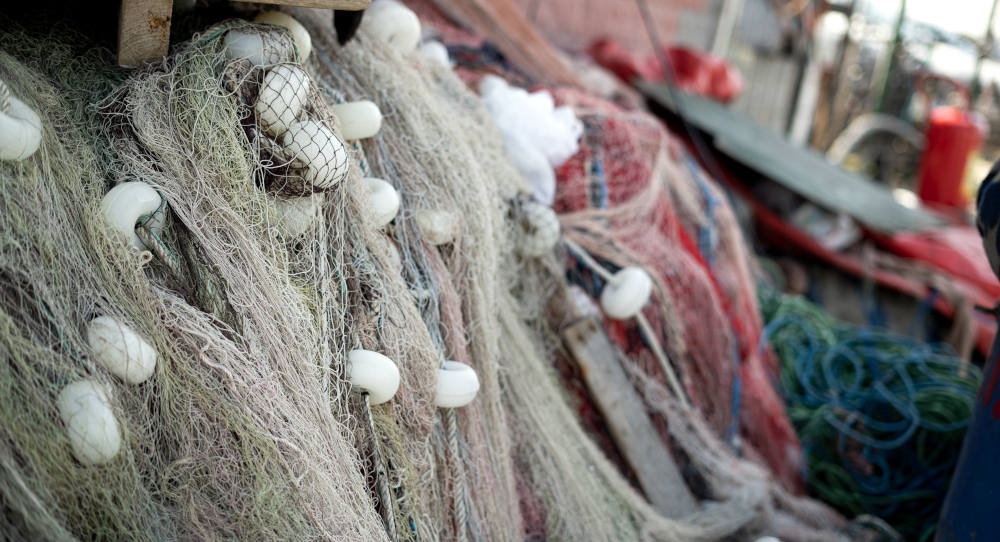 Image credit:
Aust
Image credit:
Aust
A South Korean research
team has developed a
high-performance polymer that could win the fight against ocean plastic. Its new
material — a polyester amide (PEA) — is strong enough to replace
conventional nylon but, unlike most plastics, it naturally breaks down in
seawater.
In lab conditions, the polymer degraded by over 92 percent within a year —
making it one of the most promising marine-safe materials to date.
How it works
Unlike typical biodegradable plastics that either fall short on strength or need
industrial composting facilities, the PEA achieves both durability and
biodegradability without compromise. The research team — spanning institutions
including KRICT, Inha
University and Sogang
University — engineered the polymer to
maintain the tensile strength required for real-world applications including
clothing, food packaging and fishing gear. Crucially, the material can be
manufactured using existing polyester production lines with only minimal
adjustments, making commercial adoption far more feasible.
Why climate-conscious companies should care
Ocean
plastic
is one of the most visible and destructive forms of pollution, with up to 23
million tons entering waterways each year; fishing
gear,
textiles
and
packaging
are major contributors. For companies looking to lead on plastic reduction, this
innovation offers a rare trifecta: real-world functionality, biodegradability in
marine environments and scalable production potential.
It appears that the PEA isn’t simply a gimmick; it’s a practical alternative to
nylon and other synthetics that have long polluted marine ecosystems. Brands in
fashion, food and marine industries have a clear opportunity to shift away from
persistent plastics toward materials that actually disappear when they’re no
longer needed. With the team now seeking industry partners for scaling, the door
is wide open for early adopters to make a meaningful, measurable impact.
Potato peels improving plastic produce packaging
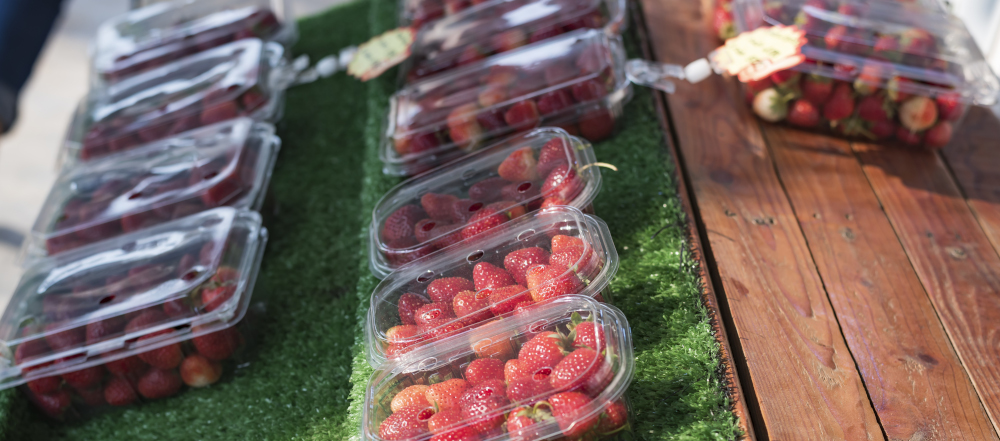 Image credit:
EyeEm
Image credit:
EyeEm
Swiss startup PeelPack’s biopolymer punnets made
from potato peels could revolutionize plastic produce packaging. Designed to
hold fruits and vegetables through cold-chain distribution, these containers are
not only biodegradable and compostable — they also offer the durability and
food-safe properties needed for commercial use. It’s a clever use of food waste
to tackle the packaging waste problem.
How it works
The innovation lies in transforming waste potato skins into a chemically and
mechanically stable biopolymer. The material resists humidity, handles cold
storage and even offers antioxidant properties and UV protection, which helps
preserve the food inside. Unlike some bio-based options, PeelPack’s trays hold
up in real distribution systems; and they slot into existing packaging
infrastructure without requiring major changes, making them viable for immediate
industry use.
Why climate-conscious companies should care
Plastic punnets are everywhere in the
produce aisle, and they’re a major contributor to packaging waste. PeelPack’s
solution offers an easy swap that cuts down on greenhouse gas emissions, fossil
fuel reliance and landfill burden. And because it’s made from food-industry
byproducts, the material doubles down on circularity by giving waste new value.
Backed by a recent €10,649 Venture Kick
grant,
PeelPack is preparing to scale up production and launch a 100,000-unit pilot
with major Swiss food retailers. For brands under pressure to meet packaging
regulations or ESG targets, this innovation offers a direct, practical step
forward. It’s not just eco-friendly, it’s market ready.
Get the latest insights, trends, and innovations to help position yourself at the forefront of sustainable business leadership—delivered straight to your inbox.
Tom is founder of storytelling strategy firm Narrative Matters — which helps organizations develop content that truly engages audiences around issues of global social, environmental and economic importance. He also provides strategic editorial insight and support to help organisations – from large corporates, to NGOs – build content strategies that focus on editorial that is accessible, shareable, intelligent and conversation-driving.
Published Aug 11, 2025 8am EDT / 5am PDT / 1pm BST / 2pm CEST