Just as unbearable heat has settled over Europe, so has another season of
anti-tourism protests. From new policies closing down short-term rentals in
Spain to an unexpected closure
at the
Louvre
when overwhelmed staff refused to work, the ugly side of tourism has been
plastered across the headlines.
Yet, beyond these negative news stories, there’s good news worth noting: Several
recent tourism initiatives are encouraging – and even rewarding – people to
travel more responsibly, donate time and energy, and engage more intentionally
with the places they visit.
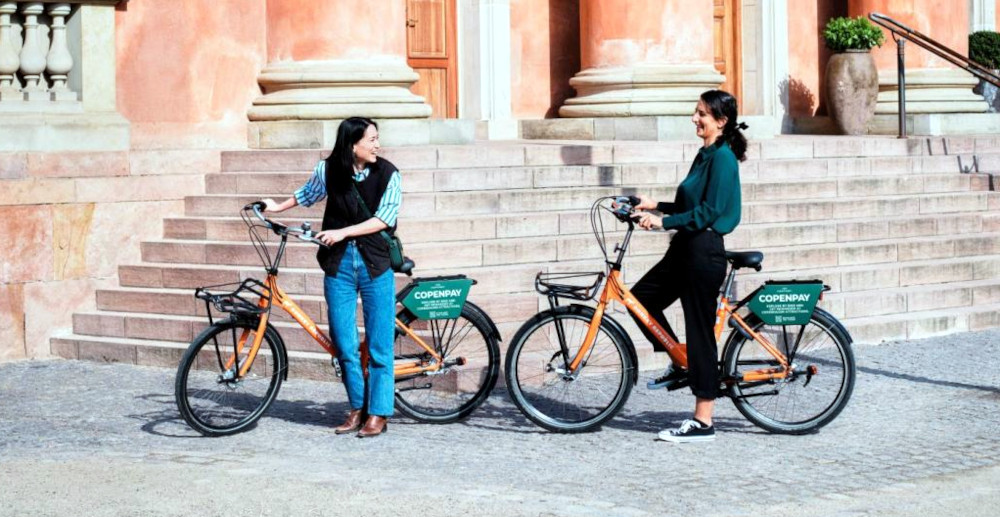 Image credit: Visit Copenhagen
Copenhagen’s CopenPay program,
for example, generated enthusiasm and exceeded expectations last year when it
ran on a low-key, trial basis by offering visitors appealing incentives (such as
free ice cream) in exchange for desired behaviors (including volunteering in an
urban garden). This summer, the initiative is running twice as long (nine weeks)
with 100 participating attractions: Collect trash and get a discounted lunch.
Travel by bike to a business and enjoy a free coffee. Pull weeds and receive a
guided tour of a museum. CopenPay is even rewarding tourists who arrive in the
city by train with free bike rentals, among other perks.
“By integrating more conscious actions into the visitor experience, CopenPay is
redefining how we in Copenhagen approach tourism,” said Søren Tegen
Pedersen, CEO
of Wonderful Copenhagen.
Denmark’s capital city isn’t the only destination encouraging travelers to
make better choices and leave a positive imprint during their stay this summer.
Switzerland’s sustainability program,
Swisstainable,
puts its “Swisstainable-certified accommodations” as well as public
transportation options front and center with discounted rates through 24
August.
And when visitors to Berlin, Germany purchase the
WelcomeCard, they receive
free access to local transportation – one of the city’s key features.
These programs join similar
initiatives
that have surfaced to address conscious travelers’ intention-action gap over the
years. They incentivize good behavior and tap into the power of positive
reinforcement. CopenPay, in particular, also offers a way for people to “give
back” when they visit Copenhagen – something travelers say they are increasingly
interested in doing, according to Booking.com’s 2025 research on traveler
attitudes and
intentions.
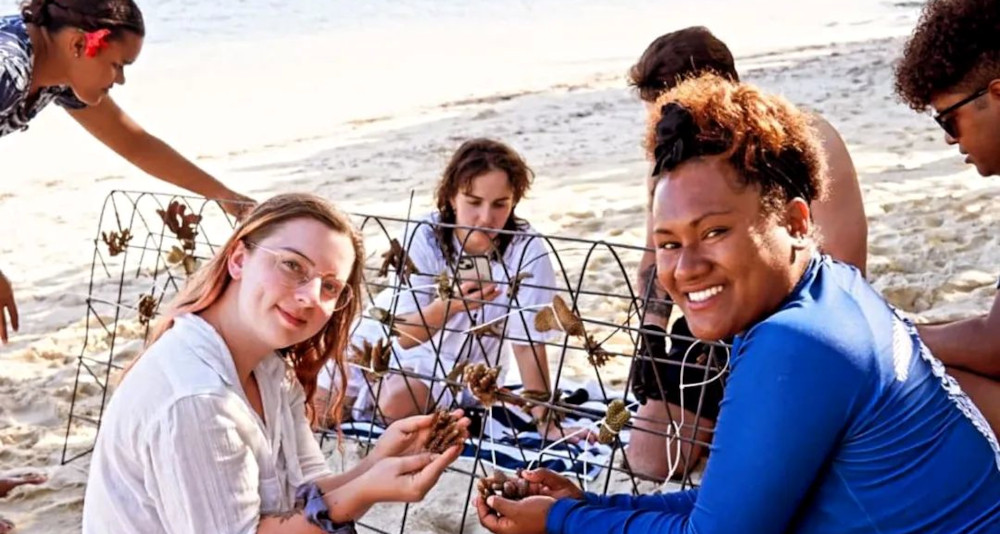 Image credit: Tourism
Fiji
Image credit: Tourism
Fiji
Leaning into this growing desire by travelers to leave a positive impact,
Tourism Fiji launched the Loloma Hour
in April. Rooted in the Fijian concept of loloma (acting with generosity,
driven by love) and encompassing four pillars (wildlife, community,
coastline and reef), Loloma Hour invites visitors to spend an hour of
their vacation making a meaningful impact in some way.
21 partner resorts offer more than 40 activities for people to choose from
including planting mangroves, building fish houses and attending a Fijian
language class.
“By tying the simple ask for at least 60 sustainability-focused minutes of a
visitor’s holiday time to the happiness created by making a meaningful
environmental or cultural impact, the campaign flips the script on traditional
tourist offerings — giving ‘happy hour’ an entirely new, more significant
meaning,” said Sebastian Vizor,
executive creative director at Havas, which worked with Tourism Fiji on the
project.
This wave of traveler activation and engagement programs highlights a key
difference in how destinations are shifting their approach to tourism. Instead
of focusing on the quantity of visitors, these strategies focus more on the
economic, environmental and social impact of tourists’ presence.
“Rather than bringing more tourists to the city, the goal with CopenPay is to
nudge our visitors and raise their awareness about the choices we make when we
travel – exploring Copenhagen more consciously while being rewarded with unique
experiences,” Pedersen said.
However, this approach also exposes one of the shortcomings of tourism
strategies such as these: They teach people to expect payment in exchange for
doing the responsible or right thing instead of “nudging” them to make these
decisions simply by
design and default. Or, as in the case of the Loloma Hour, they require visitors
to “opt in” to participate — which requires both knowledge of the programs and
effort to act.
Despite this, these initiatives – and the destinations supporting them – are
worth highlighting because they are front runners, dabbling in new
approaches
and
solutions
for addressing problems largely brought on by an industry stubbornly stuck in
the status quo.
“I think it should be celebrated that destinations are starting to think about
how they can encourage good visitor behavior, and how their marketing and
outreach efforts, resources, and budgets can be invested toward increasing the
likelihood that people who visit will also be mindful of their footprint,” said
Milena Nikolova, chief
behavior officer at BehaviorSmart — which focuses
on human behavior to encourage more sustainable travel experiences.
The ongoing challenge, of course, is getting these good behaviors and
responsible actions to stick beyond the duration of a program or a visit. How
can they be woven into a place's cultural fabric and seamlessly infused into the
traveler experience without dangling rewards or requiring exerted effort?
In ruminating over this question, Nikolova pointed to Sweden’s fika
tradition
— a daily social break when people enjoy a coffee or tea and usually a sweet
pastry — as an example: “It happens whether you want to have sweets or not,” she
said. “You can decide to take part or not, but it happens and it is everywhere.”
Get the latest insights, trends, and innovations to help position yourself at the forefront of sustainable business leadership—delivered straight to your inbox.
JoAnna Haugen is a writer, speaker and solutions advocate who has worked in the travel and tourism industry for her entire career. She is also the founder of Rooted — a solutions platform at the intersection of sustainable tourism, social impact and storytelling. A returned US Peace Corps volunteer, international election observer and intrepid traveler, JoAnna helps tourism professionals decolonize travel and support sustainability using strategic communication skills.
Published Jul 22, 2025 8am EDT / 5am PDT / 1pm BST / 2pm CEST